Blogs

Blogs

Brand Experience Engineering: Why Marketers Should Work Backwards From the Packaging Format They Want 

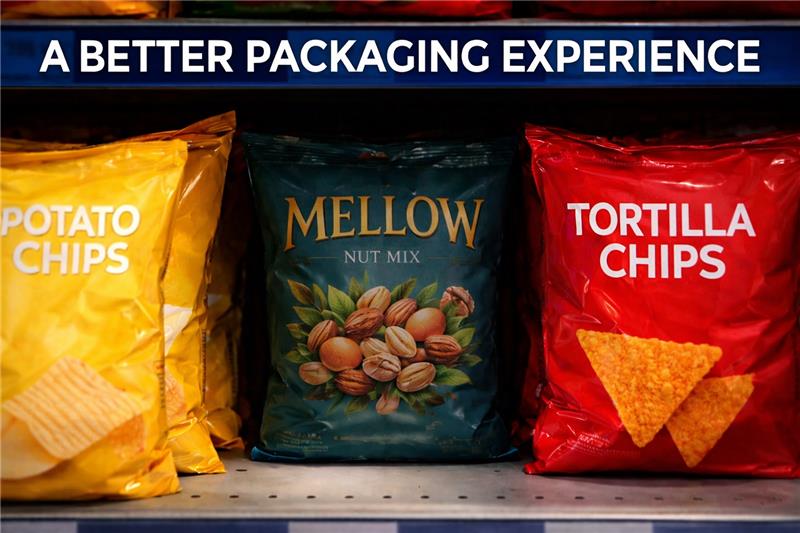
Three colorful snack bags on a store shelf, including potato chips, a nut mix pouch, and tortilla chips.
Packaging format shapes brand perception long before design or messaging ever gets noticed. This article explores why marketers should reverse-engineer their brand experience from structure first and how choosing the right packaging format drives consistency across retail, e-commerce, and real-world use.

When Packaging and Product Are Out of Sync: Diagnosing Packaging Defects Caused by Settling, Compression, and Flow 

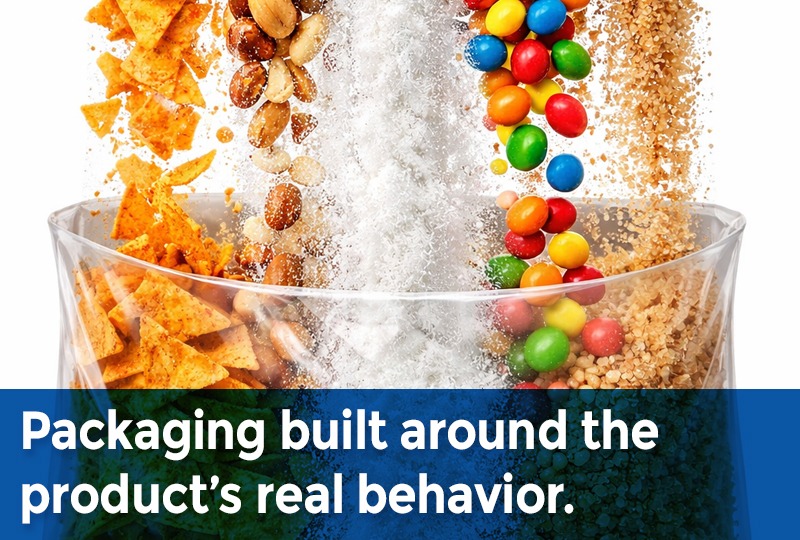
Various snack products pouring into a clear flexible pouch, illustrating how product behavior can contribute to packaging defects.
Packaging defects don’t always start on the line. Many emerge after sealing, as products settle, compress, or shift during handling and distribution. This article explores why packaging problems are often misdiagnosed, how post-fill behavior creates hidden variability, and what QA and operations teams can learn by reading these signals early. The goal isn’t blame, it’s predictability, stability, and better margin control.

The Cost of Bad Packaging Fit: How Small Packaging Failures Erode Millions in Margin 

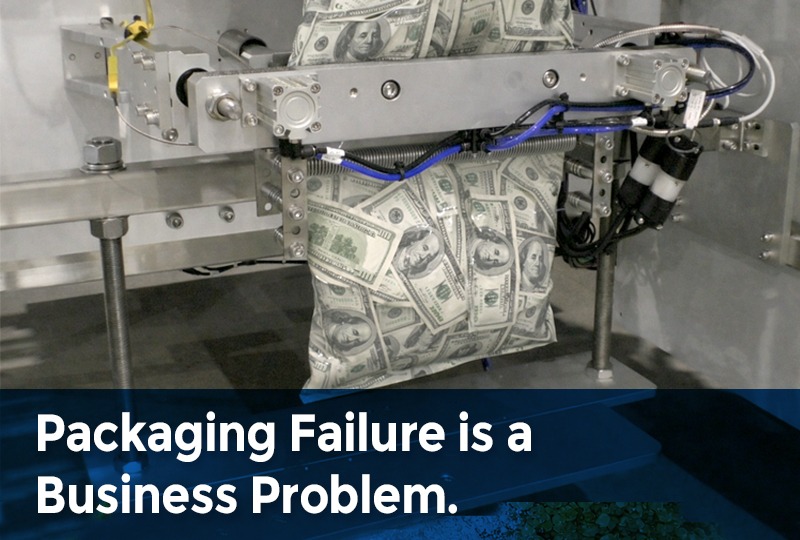
Flexible pouch on a packaging machine illustrating how packaging failures can lead to product loss and operational costs.
Packaging failure rarely appears as a single catastrophic event. Instead, it shows up as small functional breakdowns, seal drift, structural instability, and distribution damage that quietly inflate costs and erode margins. This article explores how poor packaging fit creates hidden financial drag across production, supply chain, retail, and consumer use, and what it takes to engineer packaging that performs reliably in the real world.

Choosing VFFS Packaging Film That Runs Stable: A Plant-Ready Guide to Film Format, Runnability, and Qualification 

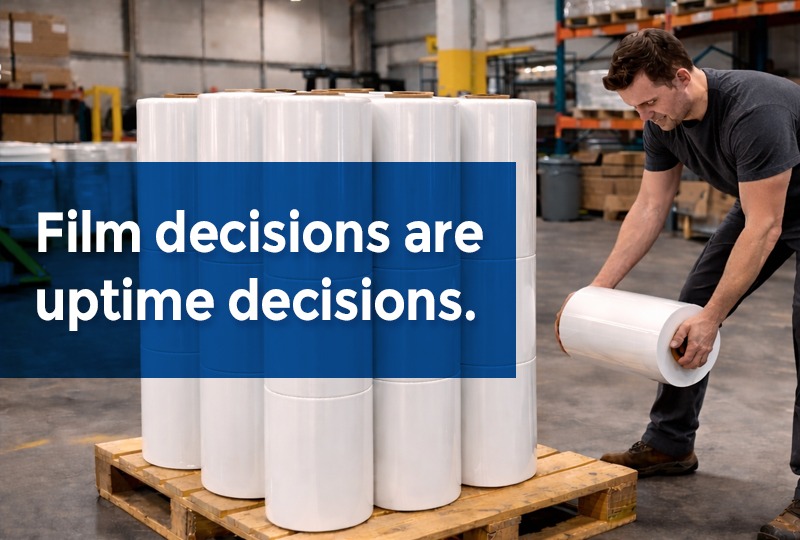
Operator handling rolls of VFFS packaging film on a pallet in a warehouse production environment.
A practical, plant-focused guide to selecting and qualifying VFFS packaging film. Covers film format, runnability factors like COF and winding quality, and how to validate performance at production conditions to reduce scrap and downtime.

Packaging Film on VFFS Lines: A Practical, Plant-Safe Guide to VFFS Troubleshooting 

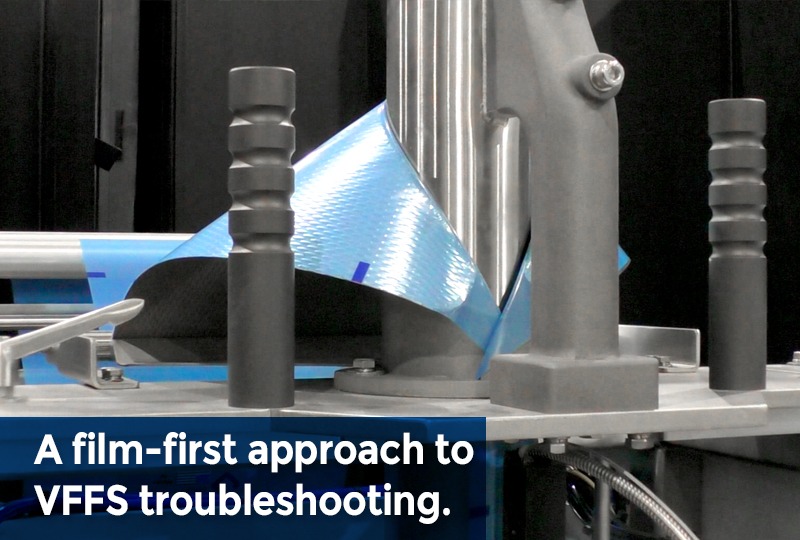
Film forming over a collar on a vertical form fill seal machine during VFFS troubleshooting.
A plant-safe, film-first guide to VFFS troubleshooting. Explains how packaging film behavior affects sealing, tracking, and uptime, and outlines a practical workflow for diagnosing film-related issues without guesswork or risky adjustments.

When Seal Integrity Drifts: Keeping Flexible Packaging Seals Stable Across Restarts, Roll Changes, and Speed  

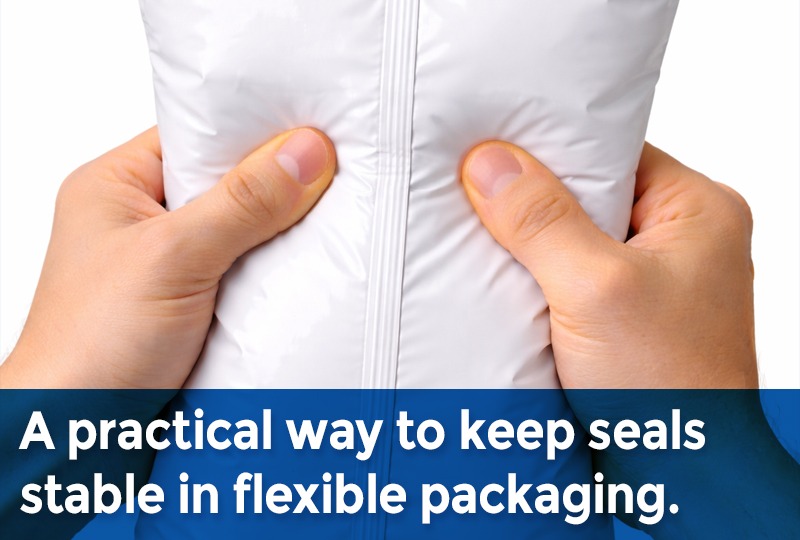
Hands pressing on a flexible packaging pouch to test seal integrity along the center seal.
Seal integrity problems don’t usually show up during the first clean run; they show up after the first restart, the first roll change, or the first speed ramp. This article walks through a practical way to keep seals stable in flexible packaging by working inside a real seal window, using defect signatures to aim troubleshooting, and building a control plan that holds up across shifts. You’ll also see how Unified Flex supports consistency on the rollstock side with COF, thickness, heat-seal, and tensile testing, plus print inspection, so you can spend less time chasing drift and more time running product.

Flexible Packaging Film: How to Approve Changes Without Creating New Problems 

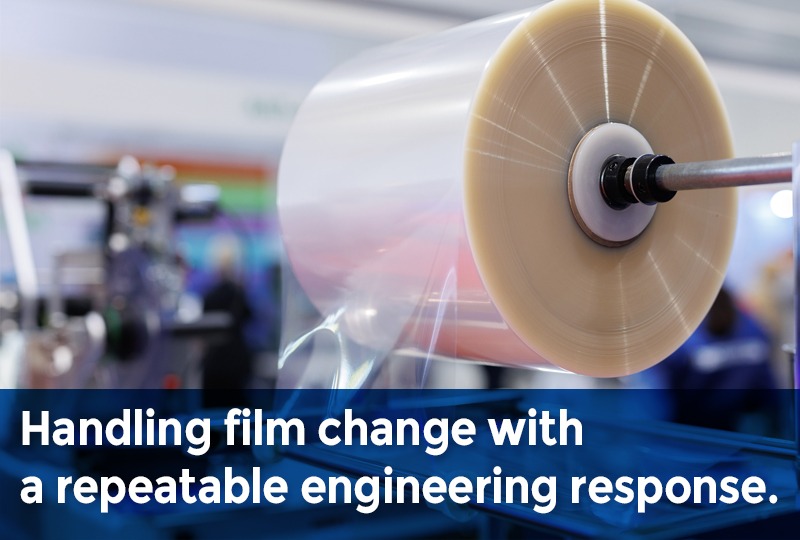
Large roll of flexible packaging film mounted on industrial equipment during a film change process.
Film changes don’t usually fail loudly; they show up later as leaks, tracking drift, and longer recoveries. This blog explains how to manage flexible packaging film changes using a simple, risk-based re-check process that protects line performance without slowing production.

Format Matters: Why the Right Flexible Packaging Pouch Improves Category Navigation 

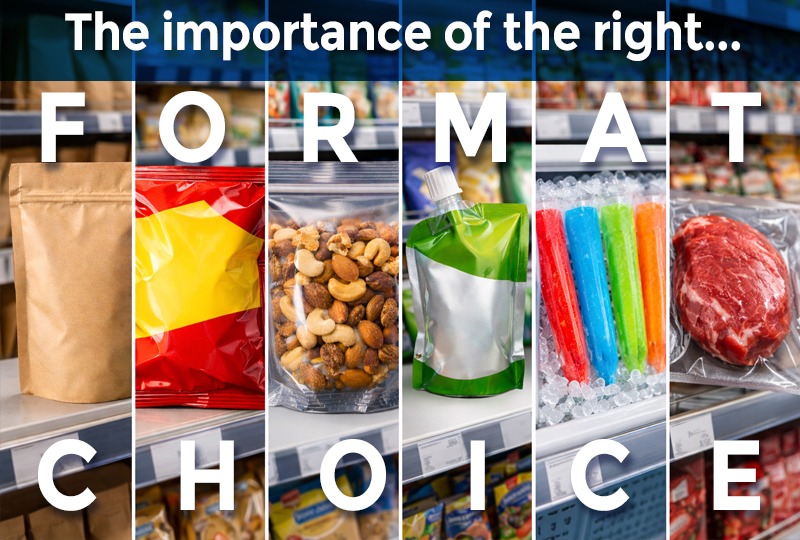
Assorted flexible packaging pouch formats displayed on a retail shelf, including kraft stand-up, pillow bag, clear nut pouch, spouted pouch, frozen sleeves, and vacuum-sealed meat packaging.
Packaging format isn’t cosmetic; it’s the architectural system that guides how a category reads and how a shopper moves through it. From sightlines to shelf stability to labor efficiency, the structure of a flexible packaging pouch shapes the retail experience more than most teams realize. This blog breaks down how format choice becomes a strategic advantage for both merchants and manufacturers.

Retail Compliance Is Changing Fast: How Gen Z Is Pushing Sustainable Flexible Packaging Across the U.S. & Canada 

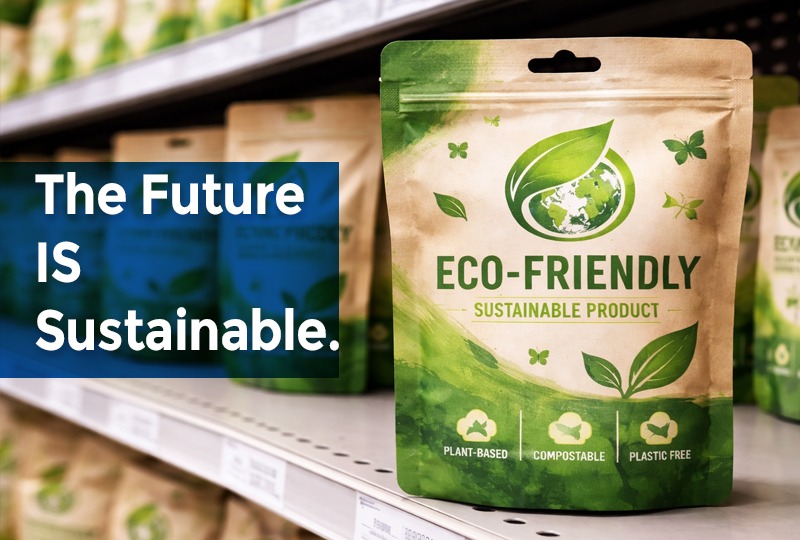
Sustainable flexible packaging pouch labeled eco-friendly and compostable displayed on a retail shelf.
Sustainable flexible packaging isn’t a trend, it’s becoming the standard. As Gen Z expectations and EPR regulations tighten across North America, retailers are rewriting their packaging scorecards. Brands that adapt gain shelf space. Brands that don’t risk falling behind.

From Scroll to Shelf: Designing a Packaging Experience That Wins Online and In-Store 

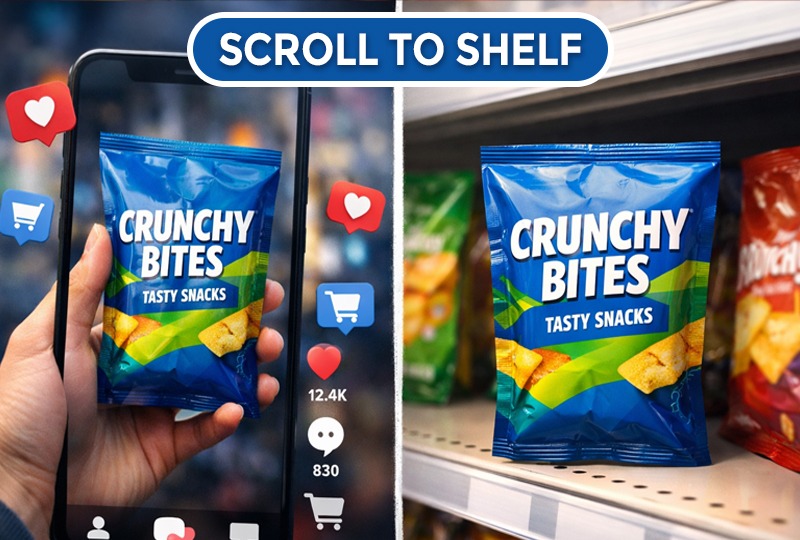
Mobile-to-retail packaging experience showing a snack pouch displayed on a smartphone screen beside the same pouch on a store shelf.
The packaging experience has gone fully public, reviewed, filmed, and judged across every channel from TikTok to Target. This blog breaks down how brands can create packaging that is performed everywhere consumers encounter it, on the scroll, on the shelf, and in everyday use. For marketers, this is the new frontier of brand consistency.

Curd & Shredded Cheese Packaging: Choosing the Right Bag Format for Distribution Performance 

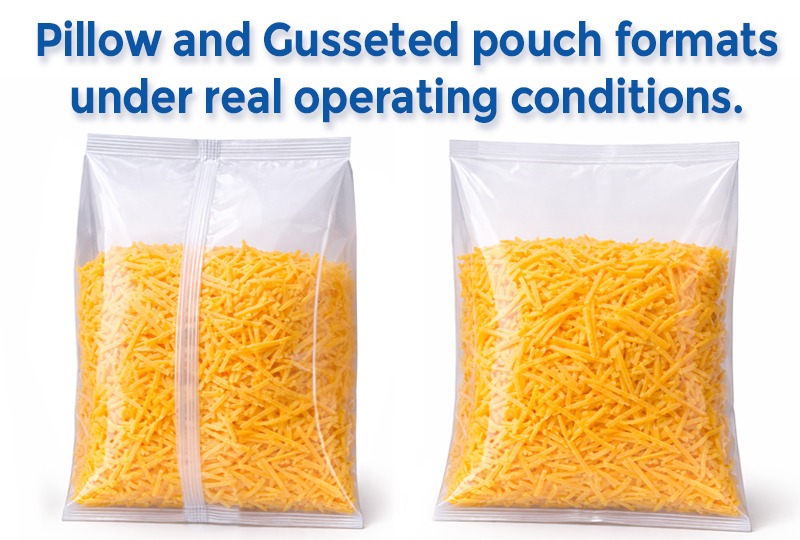
Clear pillow and gusseted pouches used for curd and shredded cheese packaging applications.
Curd and shredded cheese packaging respond differently to stacking and distribution stress. This article explains how pillow bags and gusseted formats manage compression, load distribution, and geometry retention under real operating conditions.

Cheese Packaging Equipment: Designing VFFS Lines for Stability in Shredded Cheese and Curd Production

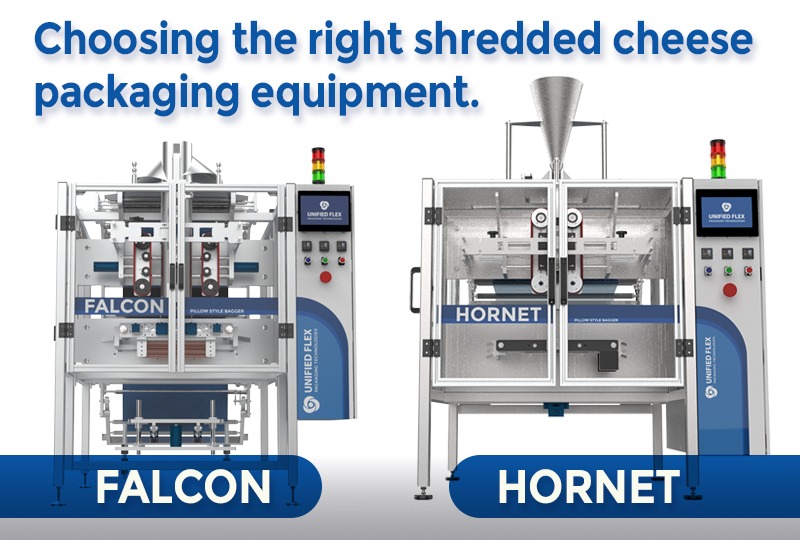
Falcon and Hornet vertical form fill seal machines used as Cheese Packaging Equipment for shredded cheese applications.
Cheese packaging equipment is tested after startup, during long shifts, roll changes, and repeated changeovers. This blog explains why shredded cheese and curds expose drift in forming alignment, film indexing, and horizontal seal engagement, and how a repeatable VFFS architecture preserves pouch geometry and seal integrity under sustained production.

Sustainable Cheese Packaging: Choosing Film That Cuts Waste Without Making the Line Fragile

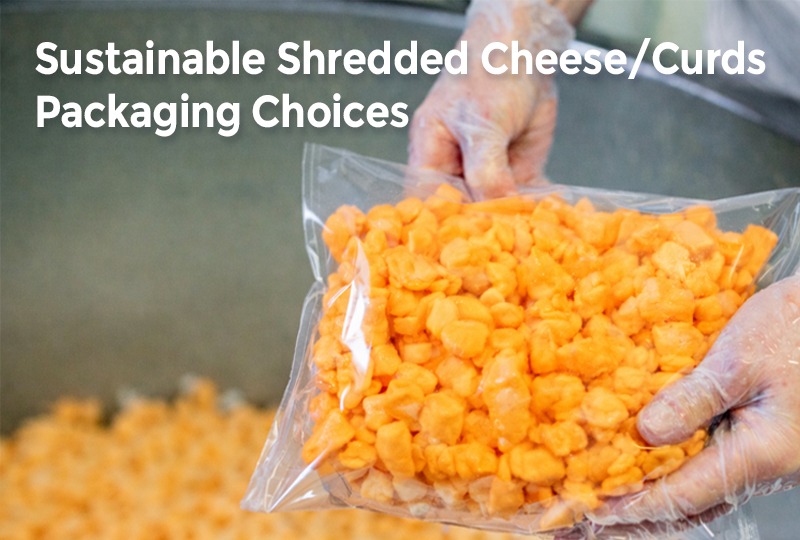
Sustainable Cheese Packaging example showing shredded cheese curds in a clear flexible pouch.
Sustainable cheese packaging only works when film performance holds up in real production. This blog explains how to choose rollstock that runs consistently on VFFS equipment, reduces waste through controlled COF, thickness, and sealing performance, and cuts preventable print scrap before film ever reaches the line, without compromising shelf life in cold-chain distribution.

Powder Packaging Machines for Animal Feed Additives: When Equipment Design Controls, or Reintroduces, Risk 

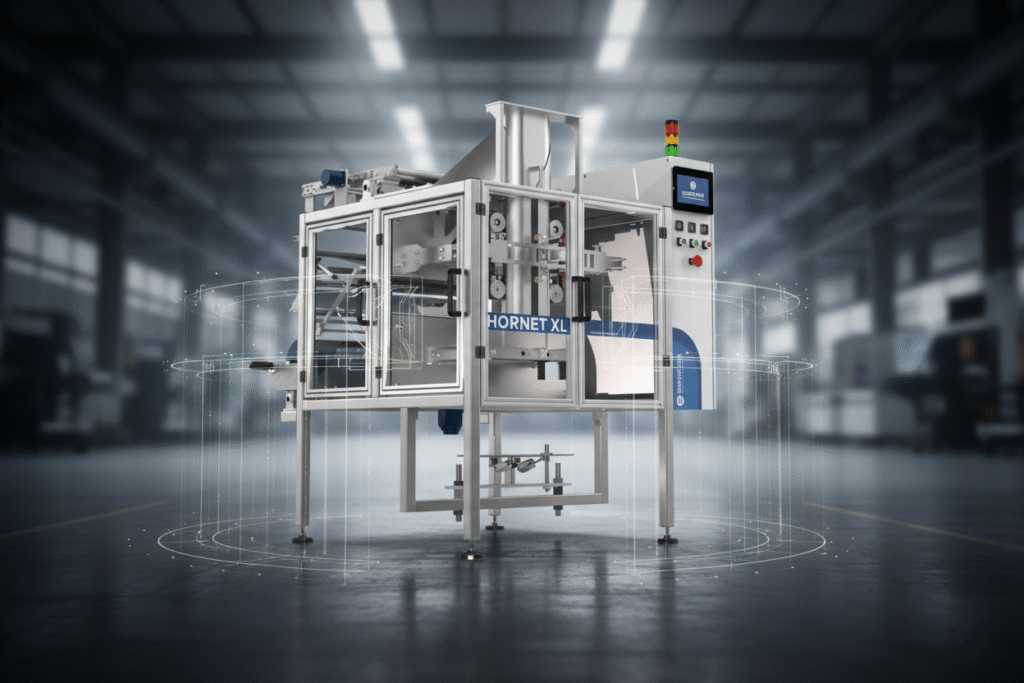
Vertobagger Hornet vertical form fill seal machine for packaging animal feed additives with Bacitracin Methylene Disalicylate bag and product sample.
Fine, dusty products like Bacitracin Methylene Disalicylate quickly expose weaknesses in machine design. A Powder Packaging Machine for Animal Feed Additives must maintain forming stability, repeatable motion, and consistent sealing as normal variation accumulates. This engineering review explains where failures begin and what to look for in equipment built for medicated feed additive applications.

Packaging Film for Medicated Feed Additives: Engineering a Laminate That Preserves Seal Integrity in a Dusty Powder Process 

Flexible multilayer packaging film displayed over fine powder used for Bacitracin Methylene Disalicylate feed additive packaging.
When medicated feed additives start leaking or drifting mid-run, the problem often begins with film. This article examines how laminate design influences seal tolerance, dimensional stability, and restart performance in dusty powder applications.

Animal Feed Additives in Powder Form: Where Packaging Formats Succeed and Where They Struggle 

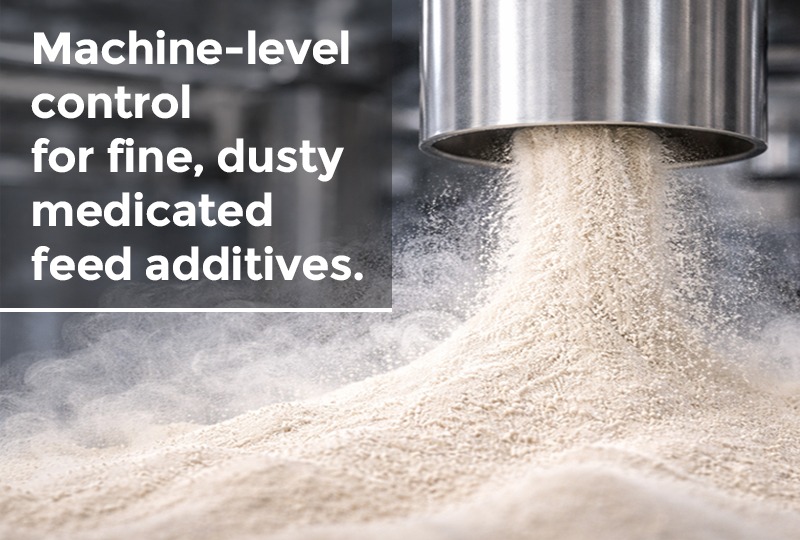
Fine, dusty medicated feed additive powder flowing from a stainless steel hopper with visible dust control during automated packaging.
Fine, pharmaceutical-grade feed additives behave very differently from bulk feed ingredients. This article reviews common packaging failure modes and explains how packaging format selection influences dust control, seal integrity, and long-term reliability in medicated feed additive applications.

How Do Packaging Machines Help Maintain Consistency Bag After Bag?

Learn how Unified Flex automatic packaging machines ensure bag-to-bag consistency with precision, automation, and engineered reliability.
In this blog, we explore how Unified Flex automatic packaging machines deliver bag-to-bag consistency through precision film handling, engineered forming, accurate filling, and automation. Read the full blog to learn how these machines ensure reliable, repeatable results for every bag.

Pet Food Packaging in Bulk Applications: Where Formats Succeed, and Where They Struggle 

Grain-free dog food bags displayed in modern pet fodd packaging, with a dog eating from a bowl in the background.
Bulk pet food packaging introduces challenges that don’t appear in lighter applications. This article examines common failure modes, instability, opening inconsistency, and seal variability and explains how pouch format design influences performance on the plant floor.

Bulk Pet Food Packaging Machines Fail Quietly — Until They Don’t 

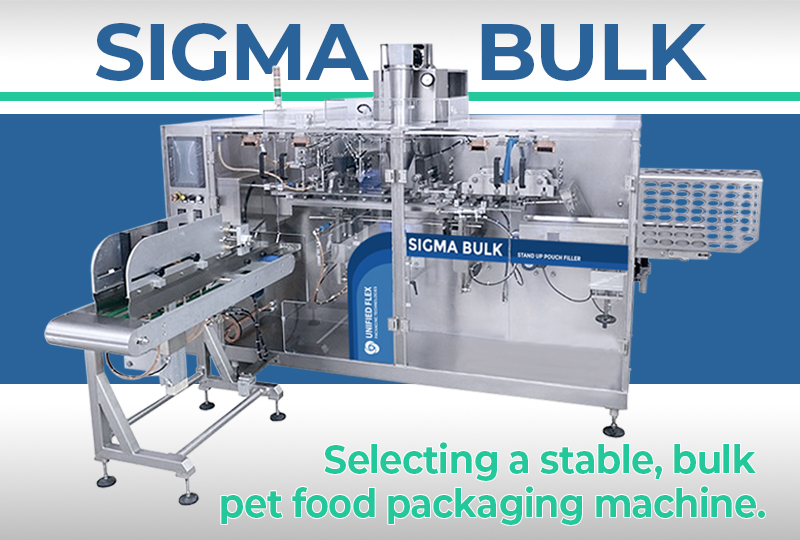
Sigma Bulk petfood packaging machine shown with integrated conveyor and automated pouch filling system.
Bulk pet food packaging machines are tested once product mass enters the pouch. This article examines where lines lose stability and how machine design supports consistent opening, filling, and sealing across real operating conditions.

Sustainable Pet Food Packaging: Choosing Film That Cuts Waste Without Making the Line Fragile 

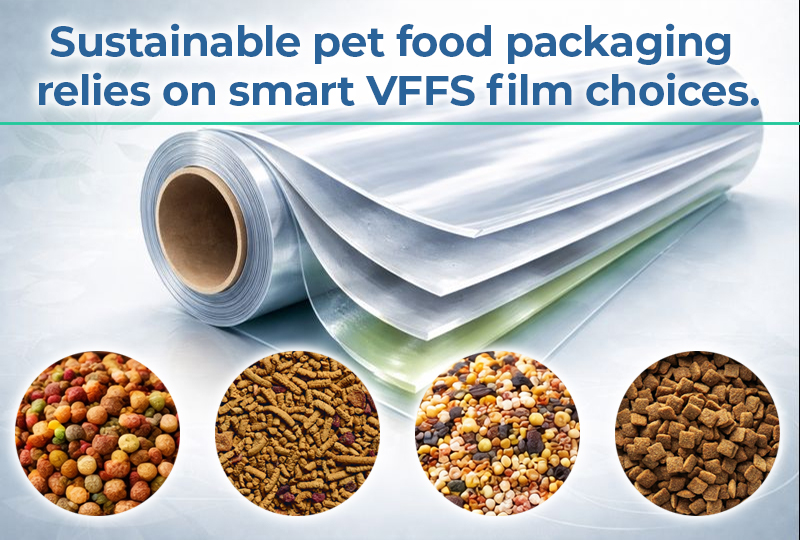
Rolls of flexible packaging film used for sustainable petfood packaging, shown alongside different types of dry pet food.
Sustainable pet food packaging only works when film performance holds up in real production. This blog explains how to choose rollstock that runs consistently on VFFS equipment, reduces waste through controlled COF, thickness and sealing performance, and cuts preventable print scrap before film ever reaches the line.